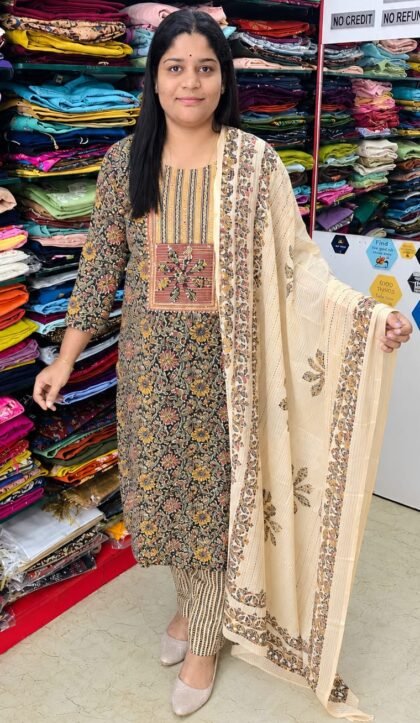
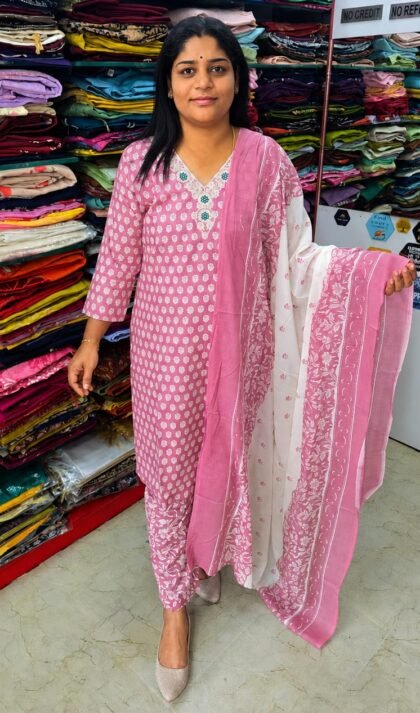
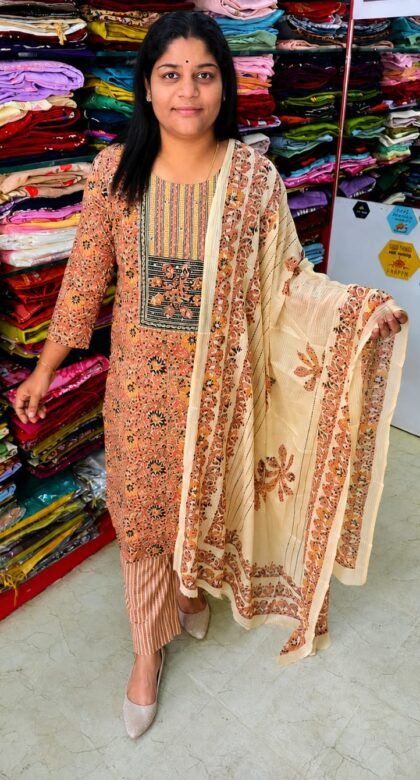
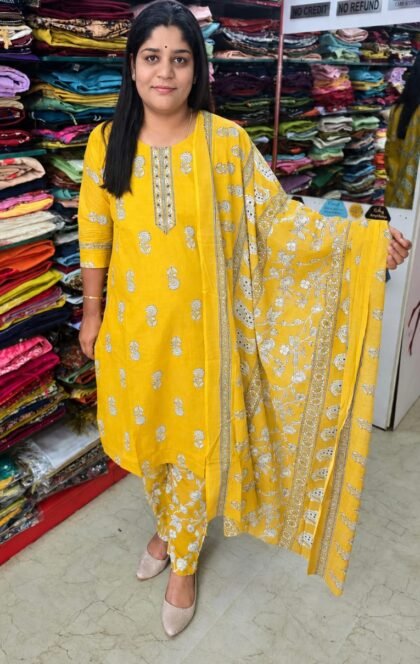
Coimbatore has always been a place where textiles are deeply ingrained. Tirupur is just an hour’s drive from here, and the region has a rich history of handloom and cotton weaving, so seems locating a dependable kurti shop in Coimbatore would be very easy. Still, most shoppers are familiar with the feeling of being let down jaw-dropping pieces at the store, but a total letdown after the first few washes.
The color fades. The material becomes hard. The sizing that appeared flawless on the rack is not able to endure a full day of wearing. These complaints are very common. They are the consequences of buyers getting attracted only to the appearance of a kurti while completely ignoring the quality of the material.
This post is aimed at guiding you to become a more intelligent buyer. It doesn’t matter if you are after regular cotton kurtis for your office, light summer dresses, or elegant ethnic wear for the very next festive get-together after you go through this article, you will be fully aware of what makes the best kurti shop in Coimbatore stand out from the rest. You will identify the fabrics that can truly withstand our weather, the designs that are worthy of being displayed, and the things that should be verified before making a purchase.
What to Look for in a Good Kurti Shop
Leading kurti shops in Coimbatore are not necessarily those which have the largest floor area or the most attractive window display. Usually, the things that make a shop worthy of your visit are also things that most of the people don’t notice until after a bad purchase.
Fabric Transparency
One of the good things about a reliable shop is that it would disclose to you the manufacturing material of their kurtis. You should never have to guess whether the fabric is 100% pure cotton, mull cotton with lining, linen, or cotton-polyester blend. If a salesperson gives you a rather vague response like “it’s soft cotton, ” then that’s a warning sign. Experienced stores will not only have their products with tags but will also have the staff able to explain the fabric without any doubt.
Range Across Occasions
Whether it is daily office festive, or casual weekend wear – a shop with real depth in its collection understands its customers. Get to know stores that offer options throughout the whole spectrum rather than shops that have only one kind of ethnic wear and try to dress everything up to look like the other. A great variety of items means that the shop is truly invested in what it curates.
Honest Fit and Sizing
Sizing in Indian ethnic wear is notoriously inconsistent between brands and even between styles within the same brand. A shop that offers a clear size chart and carries a genuine range — including plus sizes — is one that’s thought about its customers. Shops that push you to tailor everything off the rack without acknowledging the sizing issue are often hiding poor construction in their readymade pieces.
Kurti Styles Worth Your Attention
Kurti styles have shifted quite a bit over the last few years. The consistent feedback at Banglore Fashion from customers across Coimbatore has been this: people want styles that move between occasions without needing a full outfit change. A kurti that works at a morning meeting and can be dressed up for a 6pm family gathering is worth its price twice over.
Straight-Cut Kurtis
These are the true workhorses of any ethnic wardrobe. A well-stitched straight-cut kurti in mull cotton or pure cotton pairs with a chudithar, leggings, or cigarette pants without looking like you’re trying too hard. They’re consistently the first pieces to sell out in most good shops — which tells you everything about how often they’re actually worn.
Anarkali Kurtis
The flared, floor-length anarkali has always held its ground in South India, and 2026 is no exception. Paired with a chudithar and a dupatta, an anarkali kurti in Chanderi or georgette reads as festive without being overdressed. It’s become the default choice for wedding functions and family ceremonies across Coimbatore — practical, beautiful, and always appropriate.
A-Line Kurtis
A-line kurtis are near-universally flattering because of how they skim the body without clinging. They work especially well in slightly heavier fabrics — embroidered cotton or lightly embellished Chanderi. If you’re unsure which silhouette to start with, an A-line in a solid colour is almost always the right first choice.
Asymmetric Hem Kurtis
The high-low hemline kurti has made a confident comeback in 2026. It adds visual interest without requiring elaborate styling, and looks genuinely modern when paired with leggings and flat footwear. Pick one up in linen or pure cotton for the summer months and you’ll find yourself reaching for it more often than you expect.
Related read: Looking for something more special than everyday kurtis? Our dedicated guide on designer chudithars breaks down what separates premium craftsmanship from the average readymade piece — and what’s actually worth the price.
Best Chudithar Shop in Coimbatore: What to Know
A kurti is only half the outfit. The bottom you pair it with — particularly a well-fitted chudithar — completely changes how the whole ensemble sits and moves. At Banglore Fashion, mull cotton chudithars with proper cotton lining have become one of the most requested pieces, and the reason is practical: a chudithar without lining loses its shape quickly and becomes sheer after a few wears. It’s a small detail, but it makes an enormous difference to how the garment holds up over time.
If you’re specifically searching for the best chudithar shop in Coimbatore, always ask whether the chudithar comes with a lining. This is especially important with mull cotton, which is naturally fine and slightly sheer because of how open the weave is. The cotton lining gives it structure, prevents transparency, and adds durability. A well-lined mull chudithar will outlast an unlined synthetic one by years.
Fit matters just as much as fabric here. A chudithar should sit snugly on the leg without restricting movement. The ankle folds — those signature rings of fabric that give the chudithar its name — should stack neatly and not bunch randomly. When buying readymade, always check the ankle allowance before finalising. Too tight and the folds won’t form properly; too loose and the whole garment looks sloppy.
Why Fabric Quality Changes Everything
Here’s something that rarely gets said plainly when people talk about finding a kurti shop in Coimbatore: the price gap between good fabric and mediocre fabric is often surprisingly small — but the difference in how you feel after wearing it for six hours is enormous.
Take mull cotton. It’s a fine-weave, open-structured cotton with a textile history stretching back centuries in South Asia. It weighs almost nothing, drapes freely, and becomes noticeably softer with every wash — which is the opposite of synthetic blends, which tend to stiffen and scratch over time. For Coimbatore’s climate specifically, mull cotton occupies a different category from the standard polyester-cotton mixes that most budget shops rely on.
Similarly, genuine linen — not linen-look rayon, which is a different material entirely — actually gets cooler as temperatures rise. The fibre structure of linen allows moisture to evaporate quickly, meaning you stay dry longer than you would in almost any other fabric. The initial crispness softens with wear and washing, and after a few months of use, a good linen kurti becomes one of those pieces you reach for without thinking.
This is the reasoning behind the fabric selection at Banglore Fashion — mull cotton, linen, Chanderi, and pure cotton. Not because they’re premium for the sake of it, but because Coimbatore’s weather demands fabrics that perform, not just fabrics that photograph well in a store.
Smart Shopping Tips Before You Buy
Whether you’re visiting the best kurti shop in Coimbatore for the first time or you’re a regular buyer trying to be more intentional, these tips will save you both money and regret.
Touch the Fabric Before You Judge the Print
This sounds obvious but almost nobody does it consistently. Run the fabric through your fingers and pay attention to weight and texture. Good cotton should feel soft without feeling limp. Mull cotton will feel almost silky and incredibly lightweight. Linen will feel cool with a slight natural roughness — nothing like the scratchy synthetic versions. If a fabric feels plasticky or unnaturally stiff, it’s almost certainly a synthetic blend regardless of how it’s labelled.
Check the Stitching on the Inside
Flip the kurti inside out before you decide. The seams should be clean and even. The neckline lining — if there is one — should lie flat without bunching or puckering. No loose threads at the cuffs or hem. Interior details are where quality shortcuts appear first, and most shoppers never look. The five seconds it takes to check this can save you from a garment that unravels after three wears.
Always Ask About Care Instructions
The kurtis made of pure cotton and mull cotton generally can be safely machine washed with cold water on a gentle cycle. But, the embroidered and Chanderi fabric clothes often require hand wash or must be taken to the professional dry cleaner. If you are sold a garment and the seller doesn’t tell you how take care of it, it’s a disservice to you. Understanding the care instructions beforehand is helping you assess more honestly if that piece suits your way of living.
Shop Before Peak Season, Not During It
The best time to buy summer kurtis in Coimbatore is between February and March — before the peak heat arrives and before festive collections push everyday styles off the shelves. For Pongal or Tamil New Year pieces, shop in December or early January when the new season stock is freshest. Good shops start restocking seasonal collections well ahead of the calendar, and the selection is always strongest at the beginning of a season, not the middle of it.
One thing worth noticing when you’re evaluating whether a store deserves to be called the best kurti shop in Coimbatore: does the shop offer you guidance or just garments? A store that helps you understand why a particular kurti works for your lifestyle — the right fabric, the right occasion, the right pairing — is one that genuinely cares about your satisfaction beyond the transaction.
Shop directly: Browse mull cotton kurtis, churidar sets, linen and Chanderi collections at Banglore Fashion’s online store — updated regularly with new fabric arrivals.
And if everyday kurtis are only part of what you’re looking for — if you’re after something more crafted for a special occasion — Banglore Fashion also carries designer chudithars with embroidered yokes, contrast dupattas, and premium fabric combinations that are built for moments when you want the outfit to say something. Finding a kurti shop in Coimbatore that handles both everyday and occasion wear under one roof genuinely saves you time and ensures everything in your wardrobe comes from a place with consistent quality standards.
Explore more: Our guide on designer chudithars walks you through embroidery types, fabric weights, and how to tell a well-made premium piece from an overpriced average one.
Frequently Asked Questions
These are the questions that come up most often from shoppers genuinely trying to find the best kurti shop in Coimbatore for their specific needs. The answers below cover fabric care, fit, quality assessment, and seasonal shopping — without the marketing language.
What is the difference between mull cotton and regular cotton?
Mull cotton is a significantly finer, more open-weave version of cotton. It’s lighter, softer, and far more breathable than standard cotton fabric. Regular cotton is denser and more durable, making it better suited for heavier daily-use pieces. For South India’s heat, mull cotton wins on comfort — but it is more delicate and benefits from gentle cold-water washing. Chudithars made from mull cotton typically come with a cotton lining to provide shape and prevent sheerness.
How do I assess the quality of a readymade ethnic wear piece in a store?
Check the inside seams — they should be clean, even, and without loose threads. Feel the fabric weight and texture, then gently stretch it to see how well it recovers. Check the neckline lining for any bunching or puckering. For printed pieces, rub the fabric against a white cloth to test for colour bleeding. Quality ethnic wear will pass all of these tests without difficulty. If a shop doesn’t allow you to inspect the garment closely, that itself is information.
Which fabric is most comfortable during Coimbatore’s summer months?
Mull cotton and linen are the top two choices for March through June in Coimbatore. Mull cotton is incredibly light and soft — perfect for all-day wear when temperatures are consistently above 35°C. Linen is better for those who prefer a slightly more structured look while still staying cool. Both fabrics absorb moisture quickly and release it through evaporation, keeping you noticeably drier than synthetic blends throughout the day.
How should mull cotton garments be washed and stored?
Hand-washing in cold water with a mild liquid detergent is the safest method for mull cotton, though a delicate machine cycle on cold works for most pieces. Never wring mull cotton — press the water out gently and hang immediately to dry in the shade. Avoid direct sunlight, which fades colour over time. Mull cotton gets progressively softer with each wash, so regular care maintains rather than degrades it. Store folded or on padded hangers to preserve the garment’s shape.
Is it better to buy readymade kurtis or unstitched dress material?
Both have genuine advantages. Readymade kurtis offer convenience and are available immediately. Unstitched dress material gives you full control over the fit, neckline style, sleeve length, and embellishments — which often produces a better result than anything off the rack at the same price point. If you have a reliable tailor, buying unstitched material in fabrics like mull cotton, Chanderi, or linen and having it stitched to your measurements is almost always the better long-term investment.
Conclusion
Buying ethnic wear in Coimbatore shouldn’t be a mystery to you. Always ask about the fabric first before the price, print, or anything else. A kurti that costs a bit more in mull cotton or pure linen will not only keep your comfortable throughout a long Coimbatore summer but also will last for three synthetic garments without you even having to complain. This is not some advertising trick this is just how natural fibers operate.
Find a store that is open about their fabrics, feature various genuine products for different occasions, and willing to help you figure out why a certain piece suits your lifestyle. The top kurti shops get that title by being experts in their fabrics, honoring customers’ time, and carrying items that last not just pieces that sell quickly.
Decide initially what you least can do without daily wear, festive wear, travel-friendly, or item for a specific event and then expand your reach from there. If churidar sets and designer pieces also fall into the category, the group guides linked throughout this article will assist you in making the right decision on those items just as you’ve made here.